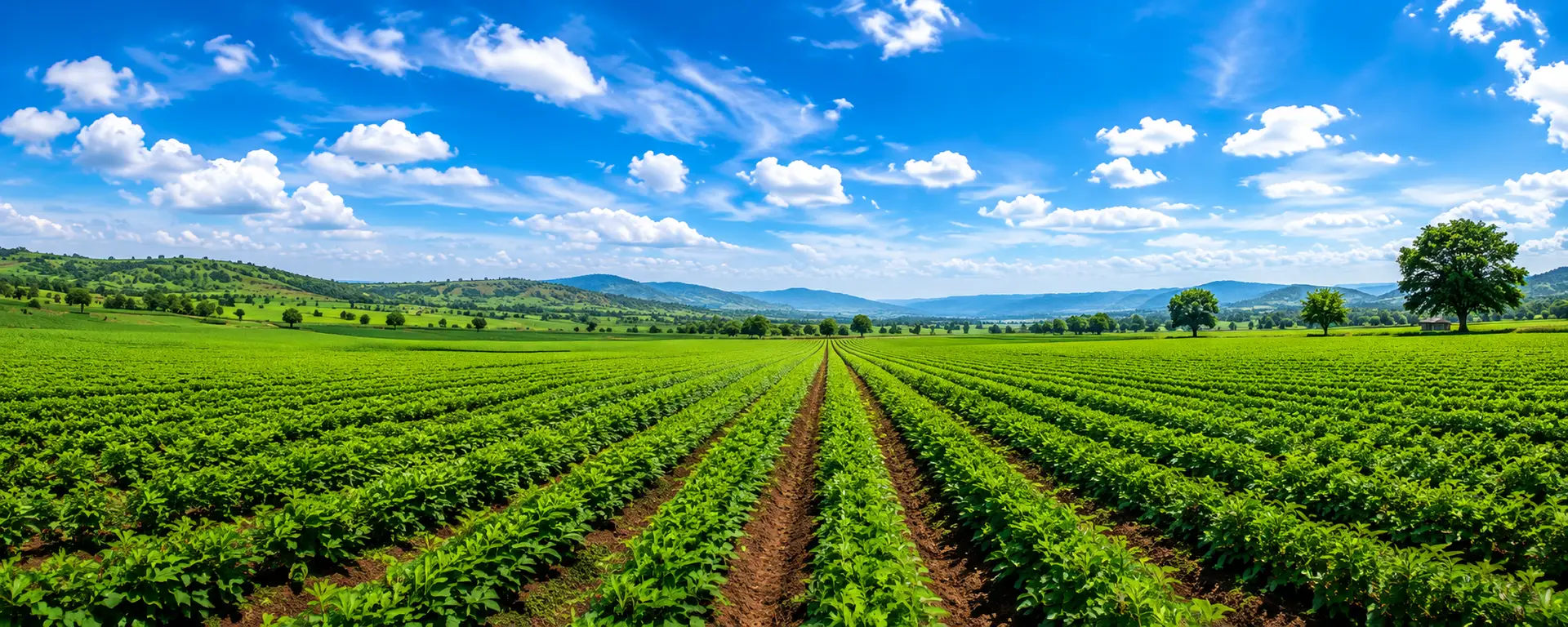

We are more than merchant exporters—we are curators of quality. Every product we list is the result of extensive research and careful selection. From identifying the right region with natural growth advantages, to reaching deep into local communities to find authentic manufacturers, we ensure every partner meets the highest standards of hygiene, capacity and compliances.
Our team conducts rigorous inspections before and after production, guaranteeing that what reaches you is not just a product, but a promise of reliability.
By choosing us, you are signing up for trust, transparency, and uncompromised quality.
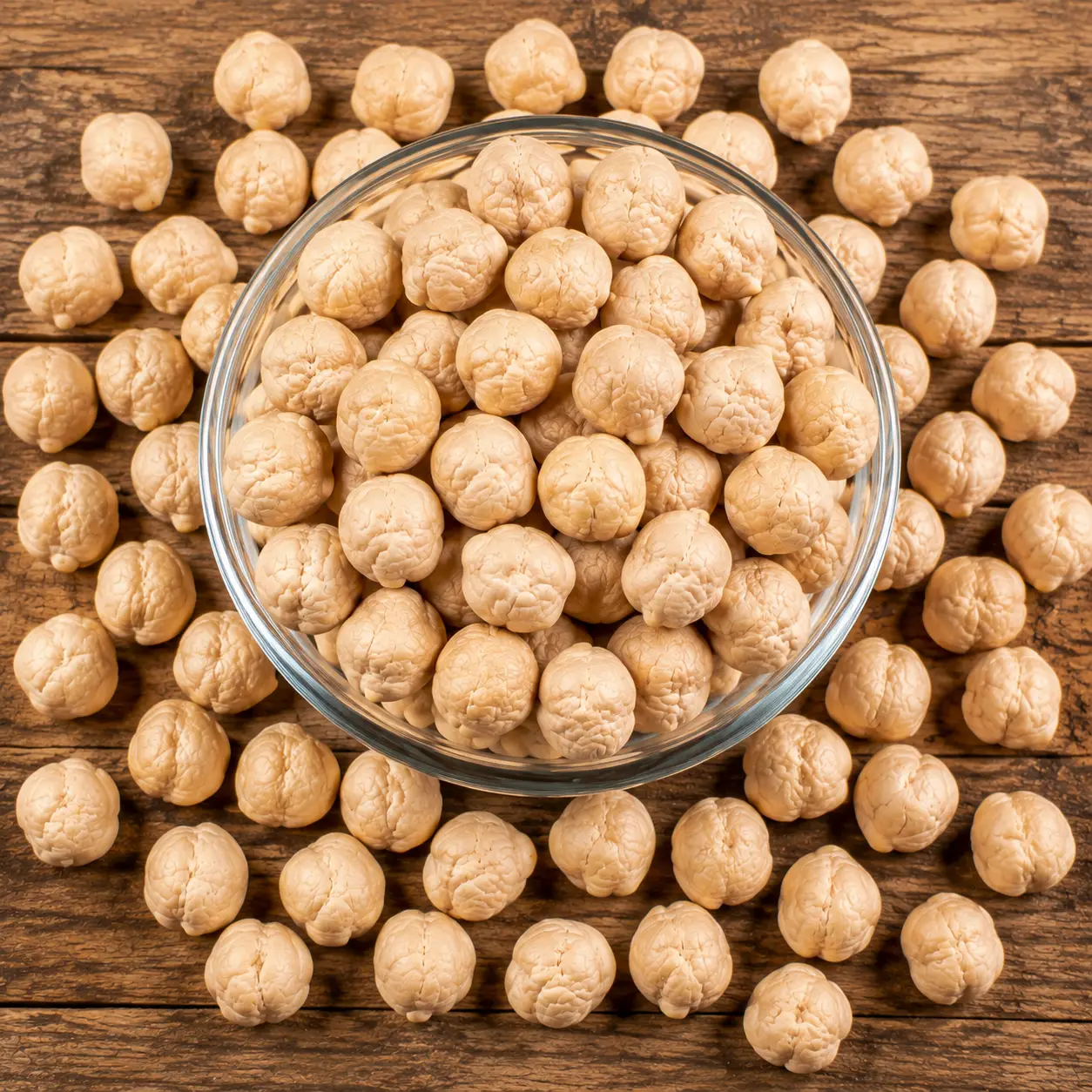
Premium Jumbo sized chick peas available in various sizes
Moisture: Max 10% to 12% to ensure a long shelf life
Purity: Minimum 99.0% to 99.5% purity with less than 1% foreign matter and minimal broken grains
We only deal in premium quality chickpeas which are sourced from special place Malwa region of Madhya Pradesh.
This region stands out for top quality and bold sized beans production if compared with other states as Maharashtra and Gujarat. Click below to know the reason
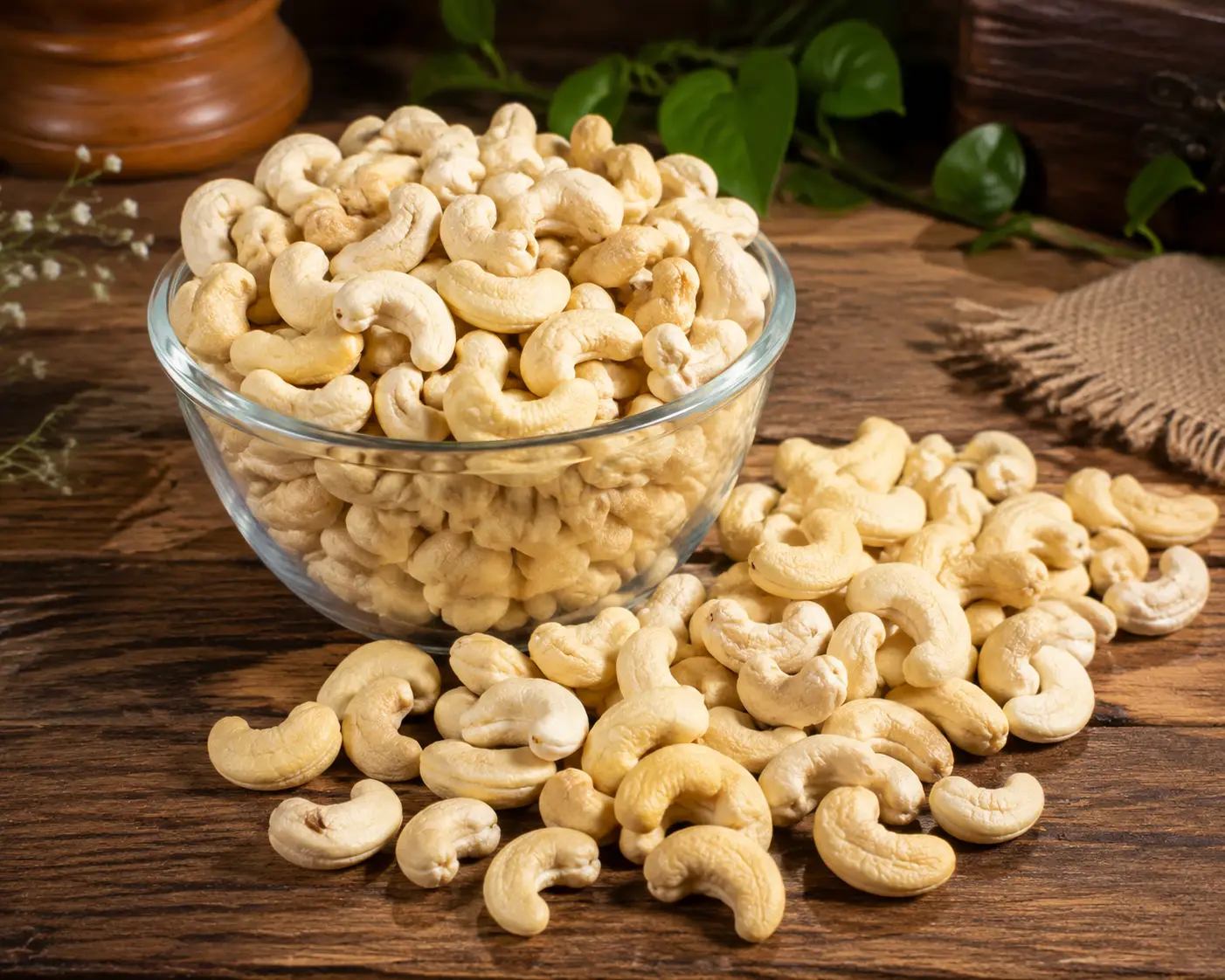
We are sourcing 2 verity of Cashew Kernels :
Kerala Cashews are a symbol of India’s coastal abundance, combining tradition with modern quality assurance to deliver a product that is both authentic and dependable.
Ratnagiri Cashews Kernels are known for the sweet buttery taste and specific health benefits
Availability of sizes W320 | W180 | W240
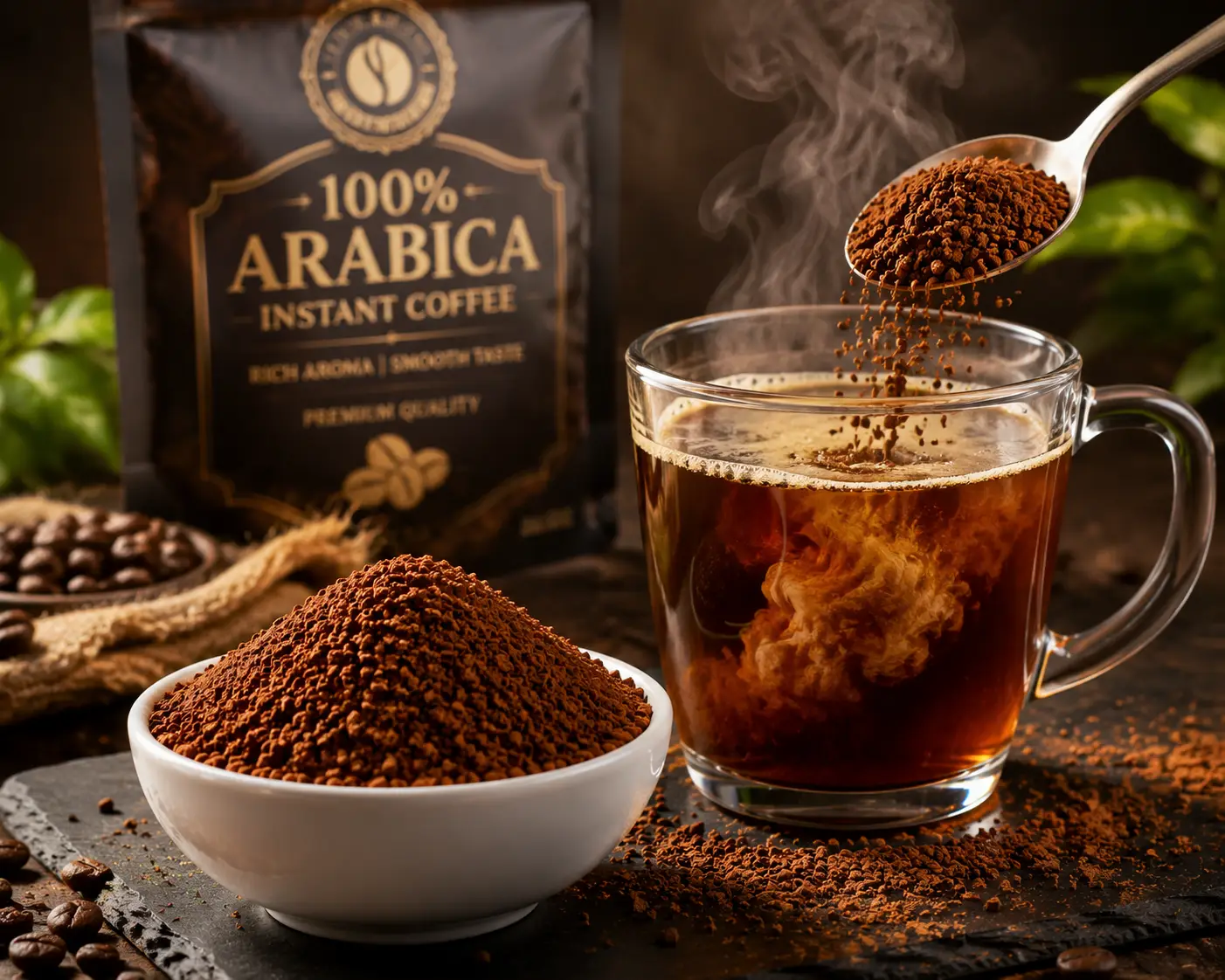
Experience the richness of Indian coffee – Arabica’s refined notes and Robusta’s bold character, curated for coffee lovers
Pure Arabica and Robusta premium instant coffee
Produced by Spray Dried and Freeze Dried method
Consistent bean grading (size, moisture, defects)
Ability to deliver large volumes on time without compromising quality
Strong logistics partnerships ensuring smooth port-to-port movement.
Sourced from authentic and genuine manufacturers from Chikmagalur and Kodagu from down south
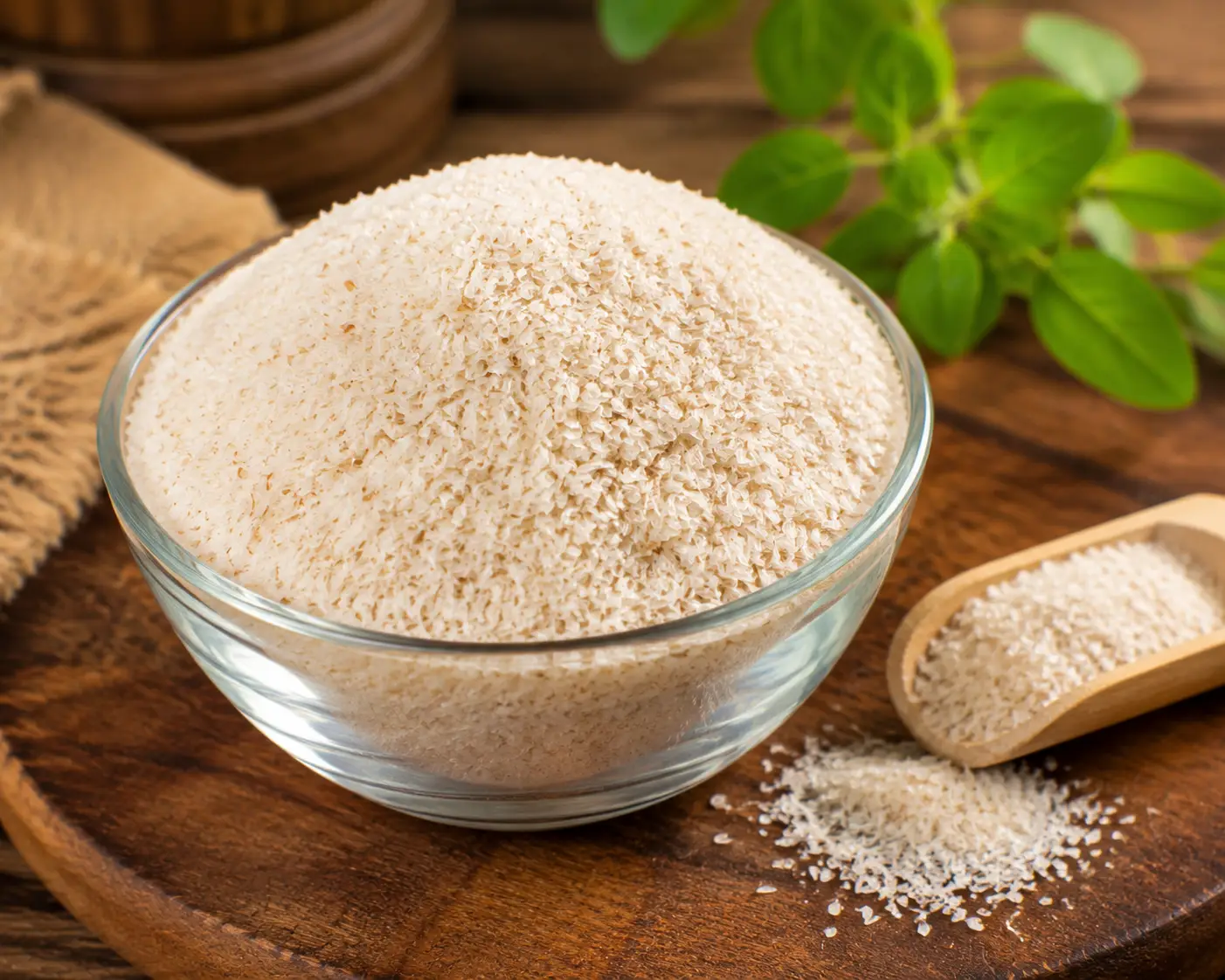
A premium natural plant based bulk forming fiber Psyllium husk with health benefits like improving heart health, managing blood sugar, relieving constipation, soothes diarrhea, weight control etc
Available Purity Grades
Sourcing premium quality product from the North Gujarat and Southern Gujarat. Specialty of Unjha- Mehsana and Sidhpur region in North Gujarat produces undisputed gold grade Psyllium Husk.
Ratnagiri Cashews Kernels are known for the sweet buttery taste and specific health benefits
From Gujarat’s Bold to Andhra’s Kadiri – India’s Groundnuts, Trusted Worldwide
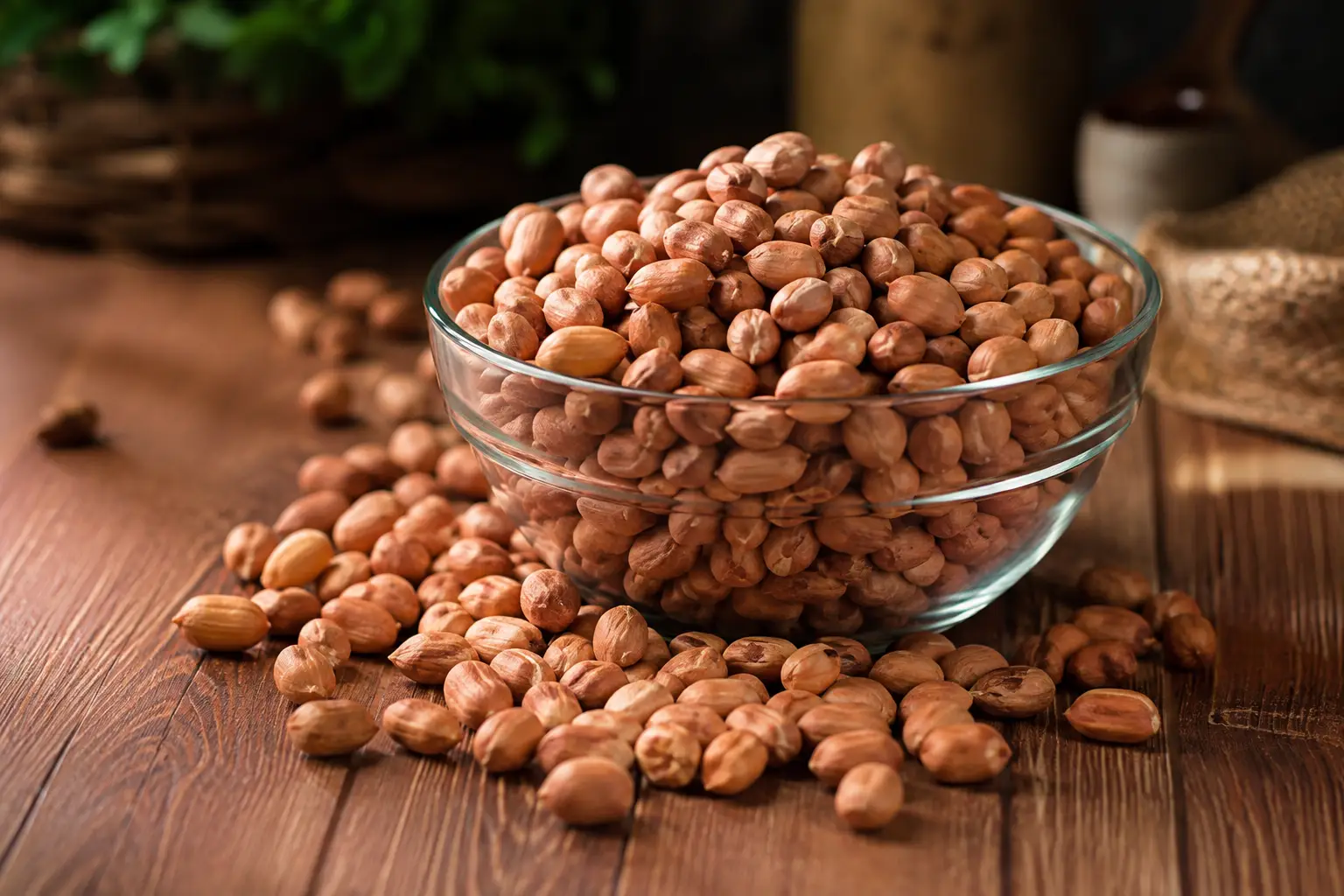
Sourcing the Premium Quality of Groundnuts of Bold and HPS (Hand Picked Selected)
Export-quality groundnuts in India are primarily produced in Gujarat, Rajasthan, Andhra Pradesh, Tamil Nadu, Karnataka, and Madhya Pradesh. These states stand out because of their ideal agro-climatic conditions, advanced farming practices, and strong processing infrastructure, making them quality products.
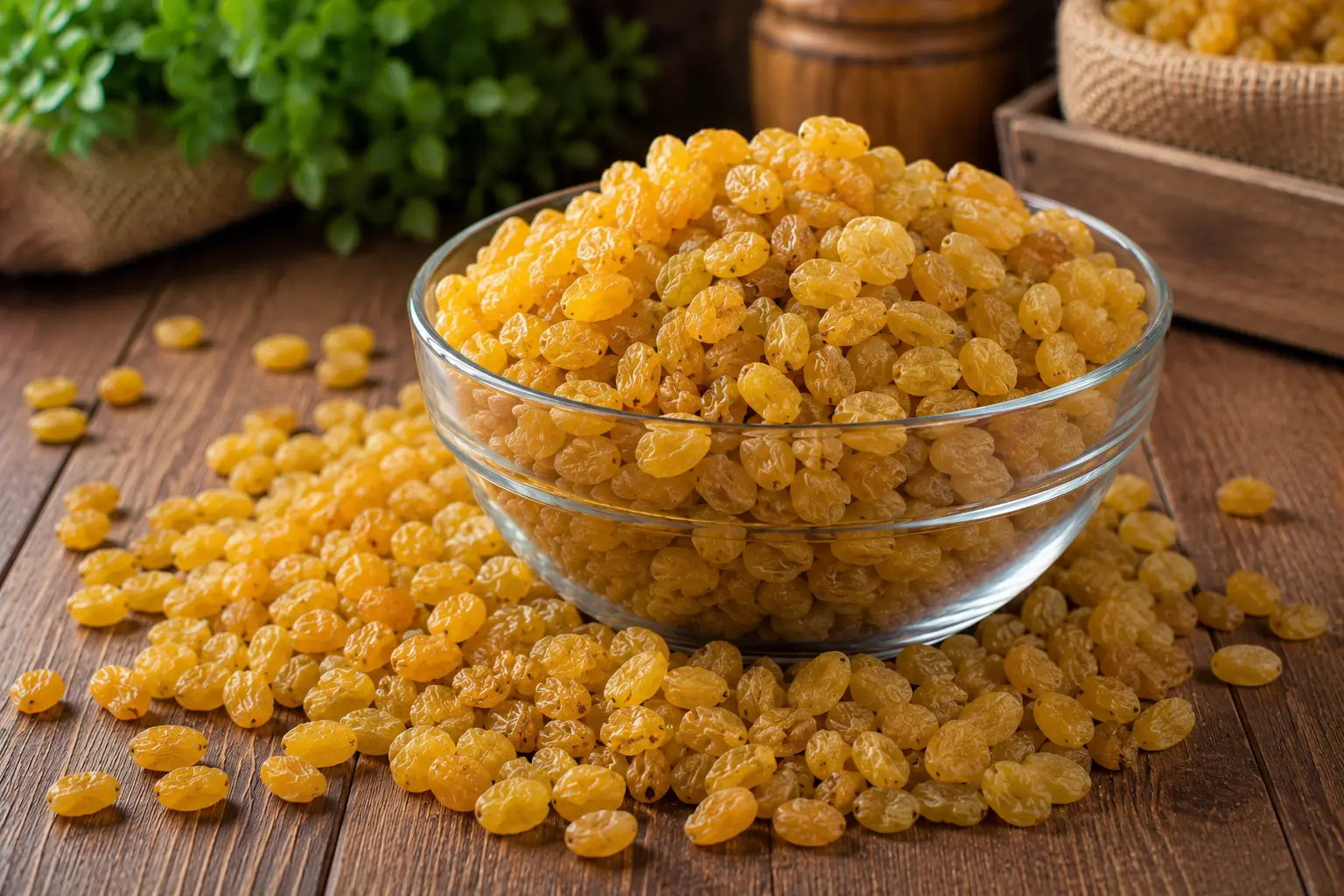
Indians Raisins are famous for their high natural sweetness, with ultimate sugar-acid balance, key nutritional values and numerous health benefits
Available in below shorting grades
Sourcing premium quality raisins from Sangli-Tasgaon region of Maharashtra which dominates around 75% to 80% of the entire nation’s raisin production
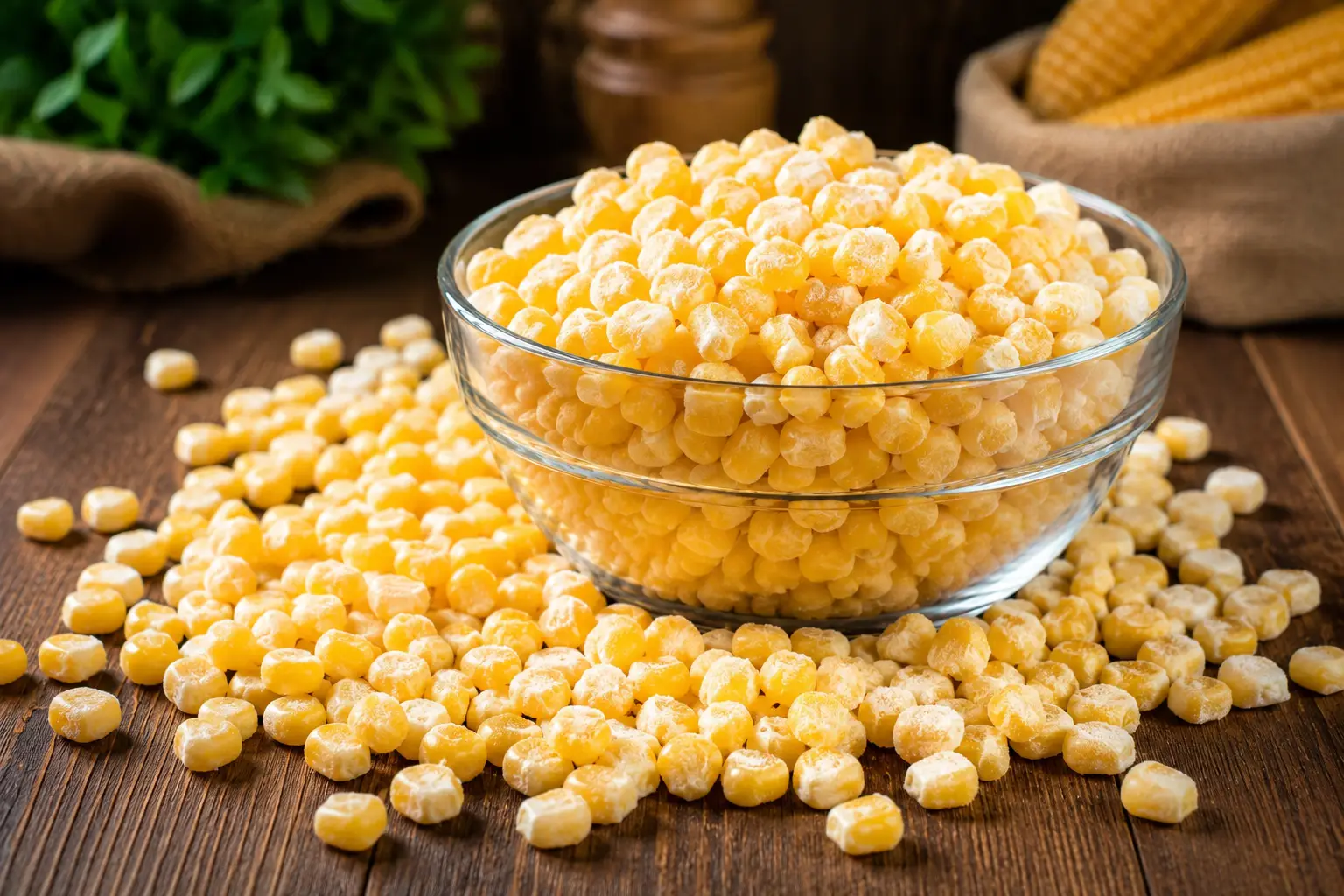
Indian sweet corn is a fiber-rich, antioxidant-packed superfood that delivers sustained physical energy. Because Indian sweet corn is grown natively without genetic modification (non-GMO) and flash-frozen within hours of harvest, it locks in its natural nutritional density at peak potency.
A standard 100g serving of boiled Indian sweet corn provides approximately 96 calories, 3.4g of protein, and 21g of complex carbohydrates, making it low in fat but exceptionally high in essential micronutrients
Davangere and Belagavi of Maharashtra and Karnataka, produces the healthiest, most globally recognized, and nutritionally rich sweet corn in India.
The best grade chick beans (especially premium Kabuli Chana) are predominantly produced in the Malwa region of Madhya Pradesh and parts of Maharashtra and Gujarat. While India’s pulse belt spans multiple states, Madhya Pradesh stands out as the commercial capital for top-quality, bold-sized chickpeas
Why These Regions Produce the Best Quality
Premium Malwa Kabuli Chana is highly valued for its exceptional nutritional density, delivering high plant-based protein, rich complex carbohydrates, and an elevated concentration of dietary fiber. Because of the nutrient-rich black soil in the Malwa plateau, these premium jumbo chickpeas absorb high levels of essential minerals like iron, magnesium, and potassium.
The typical nutritional profile per 100 grams of raw/dried Malwa Premium Kabuli Chana breaks down as follows:
Nutrient Component | Value Per 100g (Raw) | Approx. % Daily Value (DV) |
Energy (Calories) | ~364 – 407 kcal | 18% – 20% |
Plant Protein | 19.3g – 23.0g | 36% – 40% |
Total Carbohydrates | 60.0g – 62.9g | 22% |
Dietary Fiber | 15.6g – 17.4g | 52% – 60% |
Total Fat | 4.5g – 6.0g | 7% – 9% |
Saturated Fat | 0.68g | 3% |
Trans Fat & Cholesterol | 0.0g | 0% |
Key Nutritional Breakdown
Essential Micronutrient Profile (Per 100g Raw)
From the lush plantations of Kerala, India’s famed “Spice Coast,” comes a cashew that embodies heritage, abundance, and excellence. Blessed with fertile laterite soil, tropical monsoon rains, and generations of skilled farming, Kerala cashews are celebrated worldwide for their large, plump kernels, smooth texture, and consistent quality.
Kerala is one of India’s largest cashew-producing regions, ensuring a steady supply of premium grades for global buyers. The state’s well-established processing industry, with modern facilities and strict quality controls, guarantees cashews that meet international food safety standards while preserving their natural taste and nutrition.
Kerala cashews are naturally rich in healthy fats, plant protein, and essential minerals like magnesium, copper, and phosphorus. They support heart health, boost energy, and make for a wholesome snack that appeals to both gourmet and wellness-conscious consumers.
Undisputed benefits of Kerala Cashew Kernels:
From the lush Konkan coast of Maharashtra, Ratnagiri cashews are more than just a nut—they are a story of terroir, tradition, and taste. Grown in the lateritic red soils and nurtured by the salty Arabian Sea breeze, these cashews develop a naturally sweet, buttery flavor and a dense, crisp kernel that sets them apart from mass-produced varieties.
What makes Ratnagiri cashews truly special is their nutritional richness. Packed with heart-healthy monounsaturated fats, antioxidants, and essential minerals like magnesium and zinc, they are not only delicious but also a smart choice for wellness-conscious consumers. What makes these Kernels far distinct from others :
1. Unique Lateritic Soil (The Terroir)
The coastal belt of Ratnagiri and the broader Konkan region is blanketed in well-drained laterite soil. This red soil is exceptionally rich in iron, aluminium oxides, and organic matter. It provides optimal stress-free growth conditions that concentrate natural sugars and oils inside the kernel.
2. Distinctive Sweet Flavors & High Density
Unlike many imported or lower-altitude cashews that can taste bland, Konkan cashews have a distinctively sweet, rich, and nutty taste. They have a higher oil and natural sugar content, giving them a heavy, dense texture that provides a satisfying crunch when dry-roasted.
3. GI Tag Certification
The unique quality of the region’s produce is legally recognized. Cashews from this belt fall under the Vengurla Cashew Geographical Indication (GI) tag, which guarantees authenticity, environmental specificity, and traditional sun-drying methods that retain
maximum flavor.
Unlike bulk cashews from other regions, Ratnagiri cashews are cultivated by smallholder farmers who follow traditional, eco-friendly practices. This ensures traceability, authenticity, and easier organic certification, making them ideal for premium gourmet and health-focused markets worldwide.
Chikmagalur is widely recognized for producing the finest 100% Arabica coffee in India, closely followed by Coorg (Kodagu), both located in the lush Western Ghats of Karnataka. While Karnataka dominates over 70% of India’s total coffee output, Chikmagalur holds historical and ecological prestige as the absolute birthplace of Indian coffee
Why Chikmagalur & Coorg Produce the Best Arabica
The exceptional quality of Arabica beans from this region is driven by a unique combination of geographic, environmental, and traditional farming practices:
Health Benefits :
Drinking 100% Arabica coffee offers significant, science-backed health benefits, particularly due to its high concentration of essential nutrients, lower caffeine content compared to Robusta, and robust antioxidant profile
1. Rich Source of Chronic Disease-Fighting Antioxidants – Arabica coffee is exceptionally rich in chlorogenic acids (CGAs) and polyphenols. These natural plant compounds neutralize free radicals, combat internal inflammation, and slow down aging. Clinical studies suggest that regular intake can reduce the risk of certain cancers (such as liver and endometrial cancer)
2. Lower Risk of Type 2 Diabetes – Regular consumption of pure black Arabica coffee is highly effective at improving insulin sensitivity. The chlorogenic acid in Arabica slows down intestinal glucose absorption, preventing sudden spikes in blood sugar and helping regulate metabolic health
3. Smoother Cognitive Boost with Fewer Jitters – Because Arabica contains lower caffeine levels (~1.2% to 1.5%) than Robusta coffee (~2.2%+), it delivers a sustained energy kick without inducing high blood pressure, sleep disturbances, or anxiety. It enhances focus, concentration, and mental alertness, while higher amounts of the alkaloid trigonelline protect long-term brain structure.
Key Micronutrients & Bioactive Compounds
While it is low in macronutrients, a single cup contains important trace minerals and vitamins that contribute to your daily value (DV
The semi-arid plains of North Gujarat and Southern Rajasthan produce the best quality, consumer-grade Psyllium Husk in the world. Within this belt, the Unjha-Mehsana and Sidhpur region in North Gujarat is recognized as global capital for producing, processing and trading pharmaceutical-grade Psyllium Husk.
Why This Region Produces the Best Quality·
1. Perfect “Climatic Stress”
The Plantago ovata plant requires highly specific weather to thrive. The region provides well-drained sandy-loam soil, mild winters, and searing 45°C pre-harvest summers. This environmental combination stresses the plant just enough to force it to produce a thicker, highly mucilaginous husk with a superior swelling index (often exceeding 40ml to 55ml per gram).
2. Risk-Free Harvesting Window
Psyllium seeds are highly sensitive to moisture; any rain during maturity ruins the harvest. The bone-dry, low-humidity winter-to-summer transition in Gujarat and Rajasthan protects the crop from fungal infections and ensures a pristine, rosy-white color that global consumers prefer over darker, lower-grade husks.
3. Advanced “Pharma-Grade” Processing Infrastructure
While Rajasthan leads in raw agricultural farming volume, North Gujarat houses the world’s most advanced processing factories. Local manufacturers use state-of-the-art cleaning, de-husking, and milling technology to reliably achieve 99% purity. This grade completely strips away heavy seed fragments, sand, and dust to meet strict global safety compliance standards.
4. International Regulatory Certifications
The processing hubs in Sidhpur and Unjha cater directly to international wellness protocols. Leading exporters operate out of facilities that are heavily audited and carry global badges like US-FDA registration, ISO 22000, HACCP, Kosher, Halal, and USDA Organic certifications
Purity Grades Decoded
The main difference between 95%, 98%, and 99% purity grades of
psyllium husk lies in the percentage of pure husk versus extraneous plant
matter (like heavy seeds, mud, dust, and fiber fragments) remaining after
processing.
As purity increases, the husk becomes lighter in color, swells
more in water, and meets stricter international standards.
Comparison of Purity Grades
|
Feature |
95% Purity Grade |
98% Purity Grade |
99% Purity Grade (Pharma Grade) |
|
Composition |
95% pure husk; 5% seed particles/waste. |
98% pure husk; 2% seed particles/waste. |
99% pure husk; less than 1% waste. |
|
Appearance |
Dull, brownish-white with visible dark specks. |
Clean white with a few tiny dark specks. |
Pristine, bright white, and virtually speck-free. |
|
Swelling Volume |
Lowest water absorption capacity. |
Moderate to high water absorption. |
Highest absorption (swells up to 40–55 ml/g). |
|
Texture & Taste |
Gritty, earthy, and heavier to swallow. |
Smoother texture, mild neutral taste. |
Completely smooth gel, zero grittiness. |
|
Primary Markets |
Animal feed, pet food, low-end laxatives. |
Standard retail supplements, baking (Gluten-free). |
Premium pharmaceuticals, global wellness brands. |
Why the 99% Grade Dominates the Global Consumer Market
Other nutritional composition which makes it perfect
for human benefit
Beyond its high dietary fiber percentage, psyllium husk possesses a unique chemical structure and specific nutritional properties that make it exceptionally beneficial for human health.
The key nutritional characteristics that drive its therapeutic properties include:
1. The Perfect 70:30 Fiber Ratio
Psyllium husk is naturally composed of roughly 70% soluble fiber and 30% insoluble fiber. Most plant foods lean heavily toward one type, but this specific split delivers a dual benefit:
1. Meo Nutrition
2. High Content of Highly Branched Arabinoxylan
Over 60% of the husk consists of a complex carbohydrate structure called arabinoxylan.
3. Non-Fermentable Prebiotic Action
Many soluble fibers (like those in beans or apples) ferment very rapidly in the gut, causing significant gas, bloating, and stomach cramps. Psyllium husk is unique because its structural complex is highly resistant to rapid bacterial fermentation.
4. Zero Macronutrient & Low-Calorie Profile
Pure 99% grade psyllium husk contains virtually zero protein, zero fat, and zero digestible carbohydrates.
Groundnuts
in India are primarily produced in Gujarat, Rajasthan, Andhra Pradesh, Tamil
Nadu, Karnataka, and Madhya Pradesh. These states stand out because of their
ideal agro-climatic conditions, advanced farming practices, and strong
processing infrastructure, making them reliable sources of premium quality.
Key Groundnut-Producing States in India
|
State |
Major Regions/Districts |
What’s special |
|
Gujarat |
Junagadh, Rajkot, Jamnagar, Amreli, Porbandar, Bhavnagar, |
Largest producer (45–50% of India’s output). Famous for Bold seeds & HPS (Hand Picked Selected) varieties. Dryland farming suits |
|
Rajasthan |
Bikaner, Churu, Jodhpur, Nagaur, Sriganganagar, |
Irrigation from Indira Gandhi Canal transformed sandy soils. Produces resilient varieties suited for high temperatures. Contributes ~18–20% of national harvest. |
|
Andhra Pradesh |
Rayalaseema region (Anantapur, Kurnool, Kadapa, Chittoor) |
Known for high-yielding Kadiri varieties. Strong harvesting capacity |
|
Tamil Nadu |
Vellore, Thiruvannamalai, Villupuram |
Dual cropping seasons (Kharif & Rabi) ensure |
|
Karnataka |
Dharwad, Raichur, Bellary |
Suitable soils and climate; contributes to overall purity and nutrients value |
Premium Producing States
Why India’s Groundnuts Stand Out
The Sangli-Tasgaon region in the state of Maharashtra produces the most globally recognized, healthiest, and highly nutritious premium quality raisins in India. While India has multiple grape-growing belts, Maharashtra alone commands 75% to 80% of the entire nation’s raisin production, with the Sangli district serving as the absolute epicenter.
1. Official Recognition and GI Tag Protection
The region’s unique output is internationally verified. Sangli
Raisins hold a official Geographical Indication (GI) tag from the
Government of India. This intellectual property protection certifies that the
specific soil composition, climate profile, and traditional processing
techniques of the region give these raisins a superior quality profile that
cannot be replicated elsewhere.
2. The Ideal “Drying” Microclimate
While the nearby Nashik district produces more raw
grapes, most of its yield is sold fresh as table grapes. Sangli,
particularly around Tasgaon, Miraj, and Palus, experiences a
specific dry climate and hot temperature window between February and April.
This environment allows the grapes to lose moisture evenly under specialized
shade-drying systems, locking in vitamins and minerals without scorching the
sugars.
3. Nutrient Retention and Health Profiles
Premium quality from this region utilize the Thompson
Seedless grape and its elite local clones (like Tas-A-Ganesh and Sonaka).
The specific agricultural practices focus on producing a final product that is
Quick Comparison: India’s Top Raisin Belts
|
Region / State |
Market Dominance |
Core Nutritional & Market Strength |
|
Sangli-Tasgaon (Maharashtra) |
~70% of national output |
GI-tagged; ultimate sugar-acid balance; rich in |
|
Nashik (Maharashtra) |
Major contributor |
Famed for premium Golden Nashik AA grades; |
|
Vijayapura / Bagalkot (Karnataka) |
Second largest hub |
Thrives in northern arid plains; produces robust, chewy |
Key Nutritional & Health Benefits
Indian raisins (locally called Kishmish or Munakka)
serve as a concentrated, all-natural superfood power pack:
The Nashik-Pune-Ahmednagar belt in Maharashtra, along with the central districts of Karnataka (Davangere and Belagavi), produces the healthiest, most globally recognized, and nutritionally rich sweet corn in India. While several states produce standard field maize, these specific peninsular regions dominate the high-value, global export market for premium sweet corn.
Why These Regions Produce the Best Sweet Corn
1. The 24-Hour Sweetness Formula (IQF Infrastructure)
Sweet corn starts losing its natural sugars and healthy nutrients within 24 hours of being picked as they quickly turn into starch. Maharashtra has India’s highest concentration of IQF (Individual Quick Freezing) plants right next to the fields. Harvested corn is processed and frozen within hours, locking in the natural lutein, vitamins, and antioxidants at their peak freshness.
2. Ideal Mild Climate & Soil Conditions
3. Strict Export-Grade Cultivation (Sugar-75 Dominance)
Farmers in these specific hubs primarily grow premium, globally accepted varieties like Sugar-75. These crops are strictly monitored to meet international phytosanitary rules. This ensures the corn remains free from harmful chemical residues, preserves its high dietary fiber, and maintains its completely non-GMO status.
Regional Comparison: Corn Hubs in India
|
State Region |
Primary Focus |
Global Recognition & Strength |
|
Maharashtra (Nashik, |
Premium Sweet Corn |
Highest density of IQF freezing plants |
|
Sweet Corn & Commercial Maize |
Excellent year-round yields due to ideal weather and rich |
|
|
Madhya |
Bulk Commercial Maize & Starch |
India’s volume leader; rapidly building up its sweet corn |
|
Bihar (Ganga Basin) |
Rabi Grain Maize |
Massive crop volumes used primarily for domestic animal |
Indian sweet corn is a fiber-rich, antioxidant-packed superfood that delivers sustained physical energy. Because Indian sweet corn is grown natively without genetic modification (non-GMO) and flash-frozen within hours of harvest, it locks in its natural nutritional density at peak potency.
A standard 100g serving of boiled Indian sweet corn provides approximately 96 calories, 3.4g of protein, and 21g of complex carbohydrates, making it low in fat but exceptionally high in essential micronutrients.
Top Health Benefits of Indian Sweet Corn
Nutritional Breakdown (Per 100g Serving)
According to nutritional analyses from health institutions
like the Metropolis Healthcare Group and ManipalCigna Health, the primary
nutritional components include
|
Nutrient Component |
Value / Benefit |
Health Impact |
|
Dietary Fiber |
~2.7 grams |
Lowers cholesterol and supports regular digestion. |
|
Vitamin B9 (Folate) |
40 micrograms |
Essential for cellular growth and fetal development during |
|
Potassium |
294 milligrams |
Relieves vascular tension and regulates optimal blood |
|
Vitamin C |
7 milligrams |
Repairs skin collagen and strengthens the immune system. |
|
Iron & B-Vitamins |
High Trace Levels |
Stimulates red blood cell production to naturally fight |
Pro-Tip for Maximum Health Benefits
To absorb the maximum amount of nutrients, choose boiled or steamed corn over fried options. Because the vital eye-health antioxidants (lutein and zeaxanthin) are fat-soluble, tossing your corn with a tiny splash of olive oil or cold-pressed mustard oil significantly increases how well your body absorbs them.